
HIPAA-Compliant Direct Mail:
What Healthcare Marketers Should Know About Protecting Patient Data
In an increasingly digital world, direct mail continues to be one of the most effective communication channels for healthcare organizations. Hospitals, health systems, physician practices, insurance providers, and nonprofit healthcare organizations rely on direct mail to educate patients, promote preventive care, announce new services, encourage wellness screenings, and strengthen patient relationships.
However, healthcare marketing comes with a unique responsibility: protecting patient privacy. Unlike many other industries, healthcare organizations must comply with the Health Insurance Portability and Accountability Act (HIPAA), which establishes strict standards for safeguarding Protected Health Information (PHI). Whether mailing appointment reminders, fundraising campaigns, patient education materials, or benefit information, every organization must ensure that patient data remains secure throughout the design, print, and mailing process.
Selecting a direct mail provider is about more than printing capabilities or postage discounts. It is about partnering with a vendor that understands HIPAA compliance, maintains secure workflows, and treats patient information with the highest level of confidentiality.
This guide outlines what healthcare marketers need to know about HIPAA-compliant direct mail, explains the importance of protecting PHI, and provides best practices for creating a secure end-to-end mailing workflow.
Why Privacy Matters in Healthcare Marketing
Healthcare organizations earn patient trust every day. Patients willingly share highly personal information because they believe their healthcare providers will protect it. A single data breach can damage that trust overnight.
Beyond the reputational impact, privacy violations can result in:
- Regulatory investigations
- Significant financial penalties
- Legal liability
- Loss of patient confidence
- Increased cybersecurity risks
Healthcare marketers often work with patient demographics, service line information, appointment data, and other information used to personalize communications. While personalization improves engagement, it also increases responsibility for protecting sensitive information throughout every stage of production.
Privacy should never be viewed as simply a compliance requirement. It should be considered a fundamental part of every healthcare organization’s brand promise.
Understanding Protected Health Information (PHI)
Protected Health Information (PHI) includes any individually identifiable health information that relates to a person’s:
- Physical health
- Mental health
- Medical treatment
- Healthcare services received
- Payment for healthcare services
When this information can be connected to an individual, it becomes protected under HIPAA.
Examples of PHI
Healthcare marketers frequently work with data that may include:
- Patient names
- Home addresses
- Email addresses
- Phone numbers
- Medical record numbers
- Health insurance member IDs
- Dates of birth
- Appointment dates
- Provider names
- Diagnosis information
- Treatment history
- Prescription information
- Laboratory results
- Billing information
- Claims data
Even seemingly harmless combinations of information can become PHI when associated with healthcare services. For example:
- A postcard reminding someone of a cardiology appointment
- A mailer referencing diabetes education
- A fundraising letter acknowledging cancer treatment
- A wellness campaign targeted to maternity patients
Each communication must be evaluated carefully to ensure sensitive information is appropriately protected.
Why Direct Mail Vendors Matter
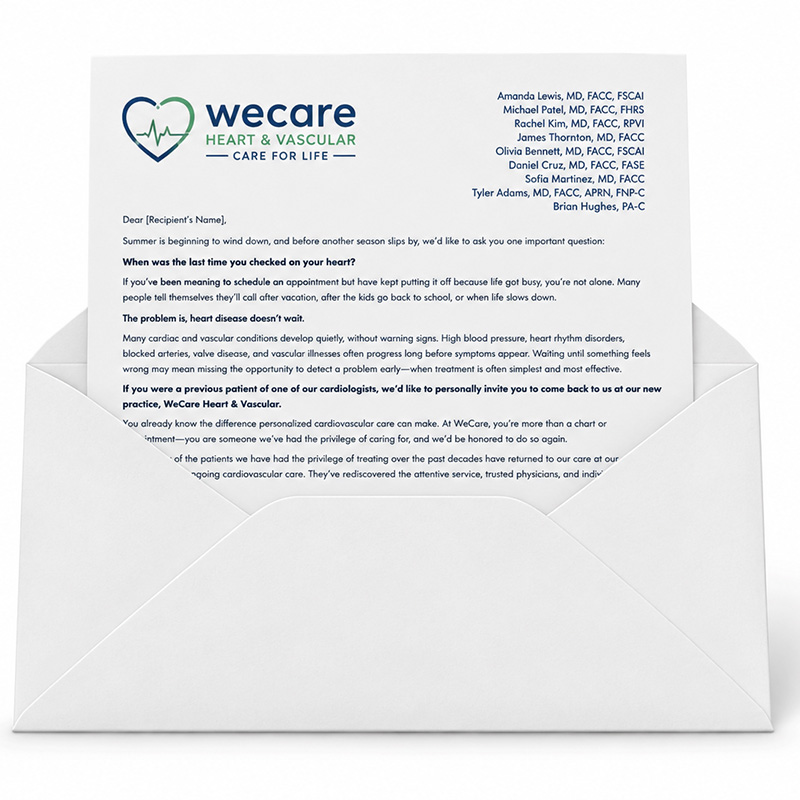
Healthcare organizations rarely manage every aspect of direct mail internally. Instead, many rely on specialized vendors for:
- Data processing
- Variable data printing
- Graphic design
- Lettershop services
- Intelligent inserting
- Presorting
- Postal optimization
- Mail tracking
Whenever patient information leaves the healthcare organization’s environment, the vendor becomes an important part of protecting patient privacy.
This means selecting a direct mail provider should include a thorough review of the vendor’s security controls, compliance practices, and operational procedures. The right partner understands both marketing objectives and regulatory responsibilities.
Building a Secure Workflow
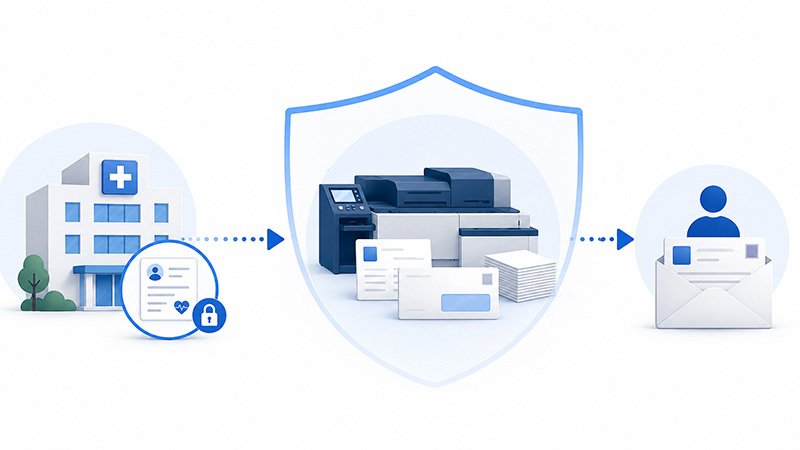
HIPAA compliance requires protecting patient information throughout its entire lifecycle—not just when it is stored. Healthcare organizations should evaluate every stage of the mailing process.
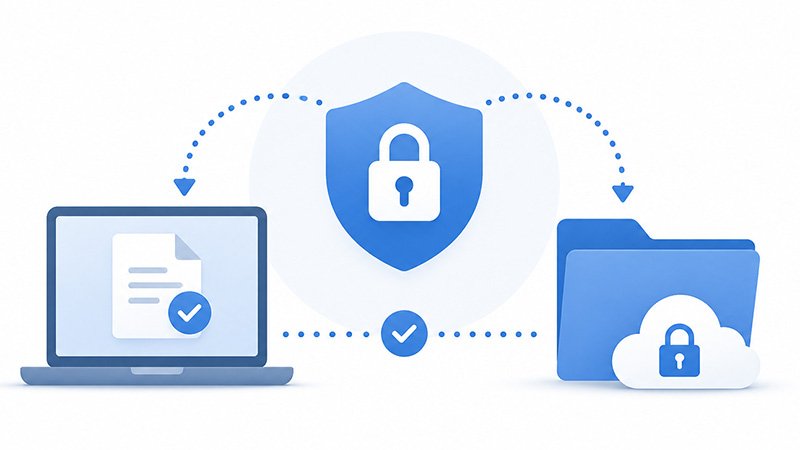
Step 1: Secure File Transfer
The process begins before production. Patient data should never be transmitted through unsecured email or consumer file-sharing services.
Instead, organizations should use:
- Secure FTP (SFTP)
- Encrypted portals
- Secure cloud environments
- End-to-end encryption
- Multi-factor authentication
Every file transfer should be encrypted both in transit and at rest. Organizations should also verify recipient identities before transmitting data.
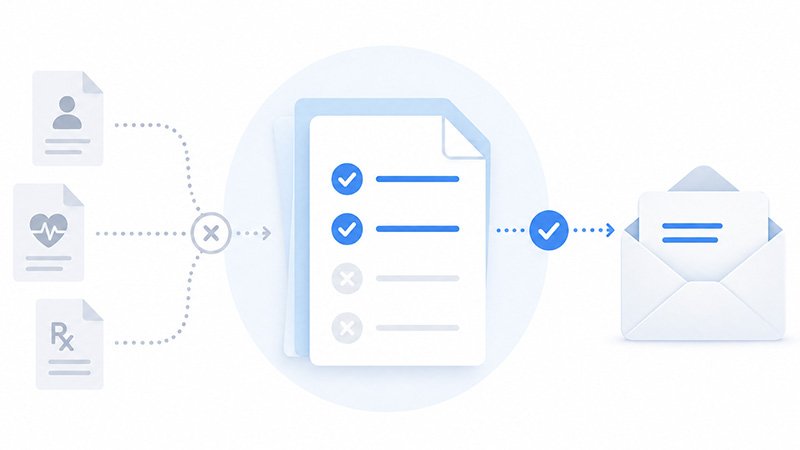
Step 2: Limit the Data Shared
Only provide the information required to complete the mailing.
This principle, known as the “minimum necessary” standard, helps reduce unnecessary exposure.
For example, if only names and addresses are required for a mailing, there is no reason to include diagnosis codes or treatment information.
Reducing unnecessary data significantly lowers risk.
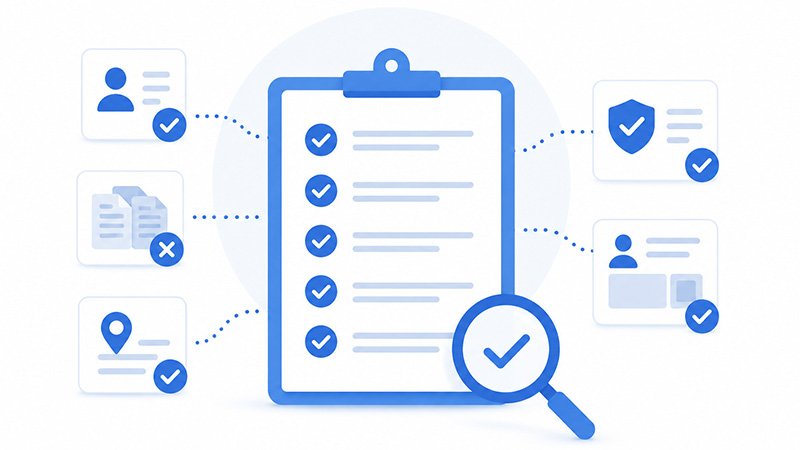
Step 3: Validate Data Before Production
Before files move into production:
- Verify patient records
- Remove duplicate records
- Validate addresses
- Confirm suppression lists
- Review personalization logic
Quality control not only improves marketing performance but also reduces the likelihood of accidental disclosures.
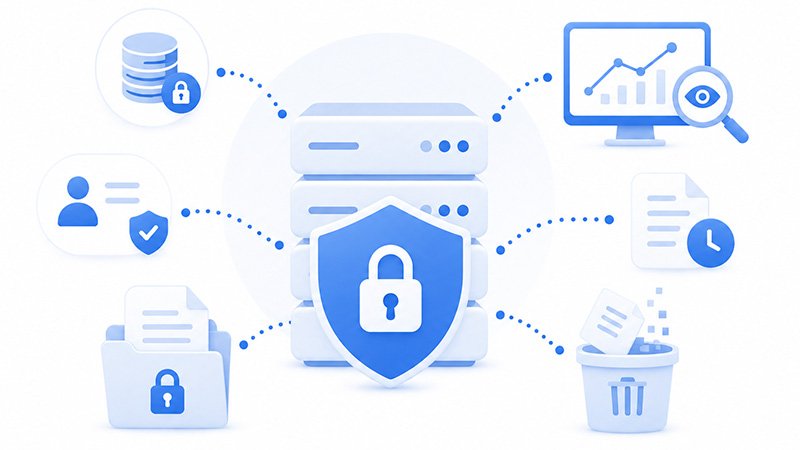
Step 4: Secure Data Handling
Once files are received, the vendor should follow strict procedures for handling PHI.
Secure data handling includes:
- Encrypted storage
- Role-based permissions
- Activity logging
- Continuous monitoring
- Secure backup procedures
- Automatic retention policies
- Secure deletion after project completion
Healthcare organizations should understand exactly where their data resides and how long it remains stored.
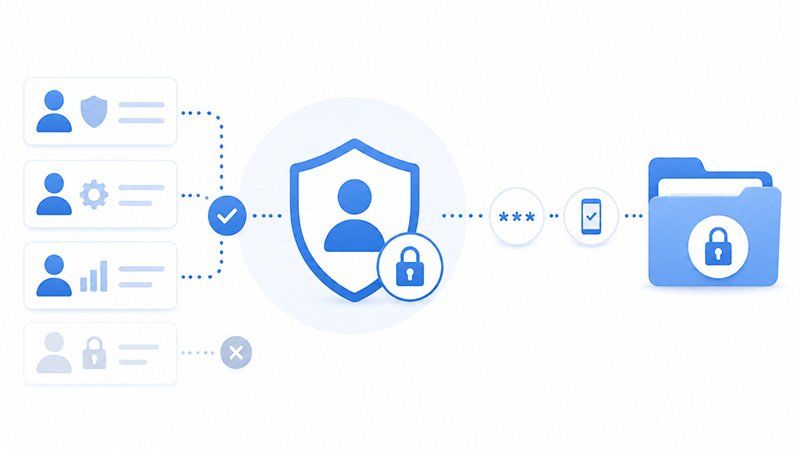
Step 5: Controlled Access to PHI
Not every employee needs access to patient information. The most secure organizations limit access based on job responsibilities.
Best practices include:
- Role-based permissions
- Unique employee credentials
- Multi-factor authentication
- Access logging
- Automatic session timeouts
- Periodic access reviews
Access should be limited only to personnel directly involved in the project.
Step 6: Secure Design, Print, and Mail Workflows
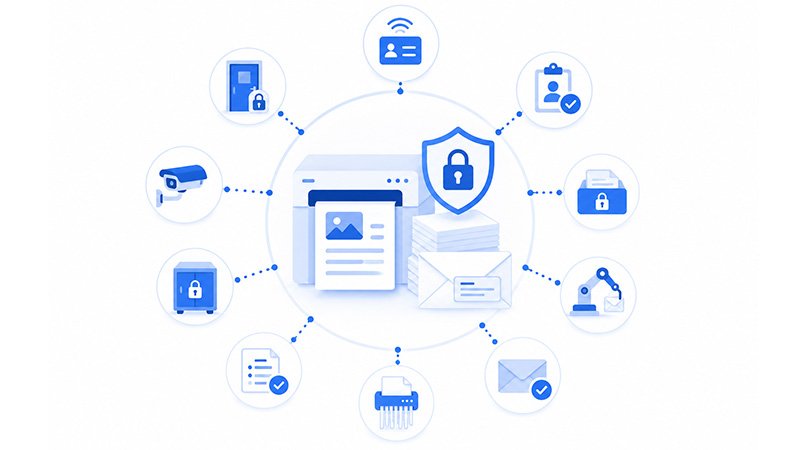
Protecting PHI extends well beyond digital systems. Physical production processes also require strong controls. A HIPAA-conscious print and mail provider should implement:
- Restricted production areas
- Badge-controlled facility access
- Video surveillance
- Locked storage rooms
- Secure print queues
- Continuous job tracking
- Automated inserting equipment
- Camera-based mail integrity systems
- Secure destruction of spoiled materials
These controls reduce the possibility of mailpiece mix-ups or unauthorized access.
Step 7: Quality Assurance
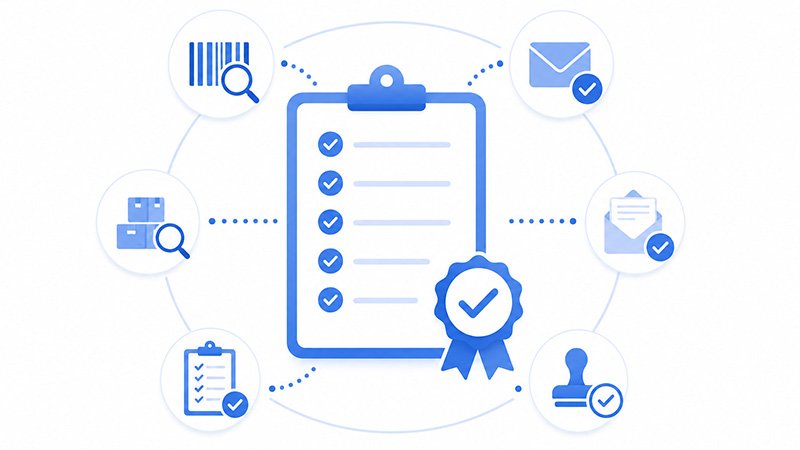
Before mail enters the postal stream, organizations should perform multiple verification checks.
Quality assurance may include:
- Barcode verification
- Address matching
- Intelligent inserting validation
- Piece-level tracking
- Random production audits
- Final approval processes
A strong quality assurance program reduces production errors while improving patient confidence.
Step 8: Secure Data Destruction
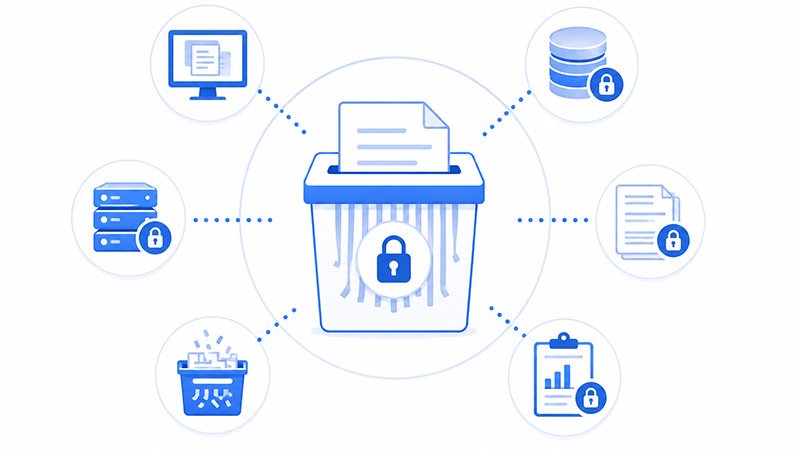
Once a mailing project has concluded, patient information should not remain indefinitely. Healthcare organizations should establish documented retention schedules.
After the approved retention period, vendors should securely destroy:
- Electronic files
- Backup copies
- Printed materials
- Spoiled mailpieces
- Production reports containing PHI
Secure destruction minimizes future risk.
The Importance of Business Associate Agreements (BAAs)
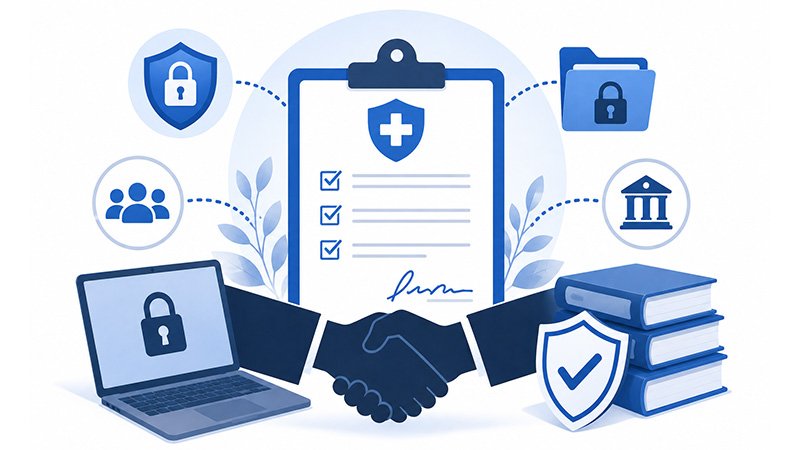
One of the most important components of HIPAA compliance is the Business Associate Agreement (BAA). Whenever a vendor receives, stores, processes, or transmits Protected Health Information on behalf of a healthcare organization, HIPAA generally requires a Business Associate Agreement. A BAA establishes the legal responsibilities of both parties and clearly defines how PHI will be protected.
The agreement typically outlines:
- Permitted uses of PHI
- Required security safeguards
- Breach notification responsibilities
- Employee training expectations
- Subcontractor requirements
- Data return or destruction procedures
- Compliance with HIPAA Security and Privacy Rules
Without an appropriate BAA, healthcare organizations may expose themselves to unnecessary compliance risk. For healthcare marketers, confirming that a direct mail provider is willing and able to execute a Business Associate Agreement should be one of the first questions during vendor selection.
Why BAAs Matter for Nonprofit Healthcare Organizations
Many nonprofit hospitals, healthcare foundations, and charitable organizations conduct fundraising campaigns that involve patient information.
Development offices frequently partner with direct mail providers to produce:
- Annual giving campaigns
- Donor acknowledgments
- Capital campaign appeals
- Community health initiatives
- Event invitations
Even nonprofit organizations must carefully evaluate whether Protected Health Information is involved. A Business Associate Agreement helps clarify responsibilities between the nonprofit healthcare organization and its mailing partner while reinforcing expectations for safeguarding sensitive information. The relationship becomes one built on transparency, accountability, and shared responsibility.
Questions to Ask Your Direct Mail Provider
Healthcare marketers should perform due diligence before selecting a vendor.
Consider asking:
- Do you routinely work with HIPAA-regulated organizations?
- Will you sign a Business Associate Agreement?
- How is patient data encrypted?
- How is access to PHI controlled?
- How are print production areas secured?
- What quality assurance systems prevent mailpiece mismatches?
- How long is data retained?
- How is data destroyed after project completion?
- What incident response procedures are in place?
The answers provide valuable insight into a vendor’s commitment to security.
Best Practices for Healthcare Organizations
A secure direct mail program is built on consistent processes and ongoing oversight.
Healthcare marketers should:
- Work only with experienced HIPAA-aware vendors.
- Execute a Business Associate Agreement before sharing PHI.
- Share only the minimum necessary data.
- Encrypt all file transfers.
- Restrict access to sensitive information.
- Review vendor security practices regularly.
- Conduct periodic compliance audits.
- Train employees on HIPAA requirements.
- Document every step of the mailing workflow.
- Establish clear procedures for data retention and destruction.
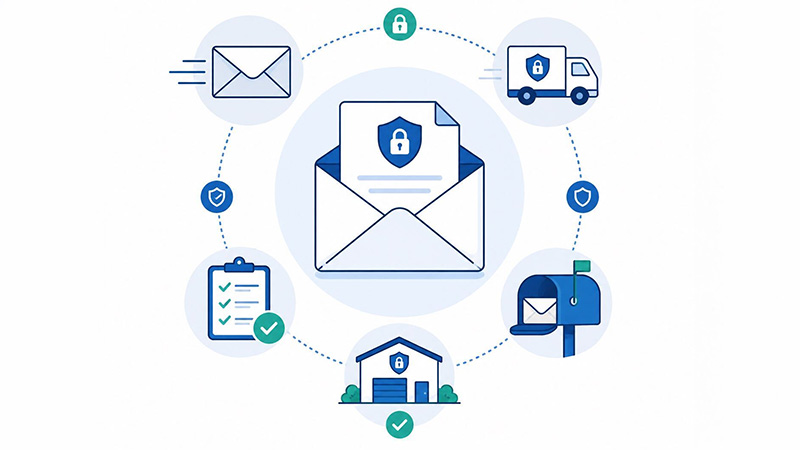
Compliance is not a one-time project—it is an ongoing commitment.
Conclusion
Direct mail remains one of the most trusted and effective ways for healthcare organizations to communicate with patients and communities. From preventive care reminders and wellness campaigns to fundraising initiatives and patient education, direct mail can strengthen engagement while supporting better health outcomes.
Success, however, depends on protecting patient privacy at every stage of the process. Healthcare marketers must work closely with print and mail partners like Spectrum that understand HIPAA requirements, implement secure workflows, and maintain rigorous controls over Protected Health Information.
By adopting secure file transfer methods, limiting data access, using documented workflows, executing Business Associate Agreements, and partnering with experienced vendors, healthcare organizations can confidently deliver impactful communications while safeguarding the trust patients place in them every day.